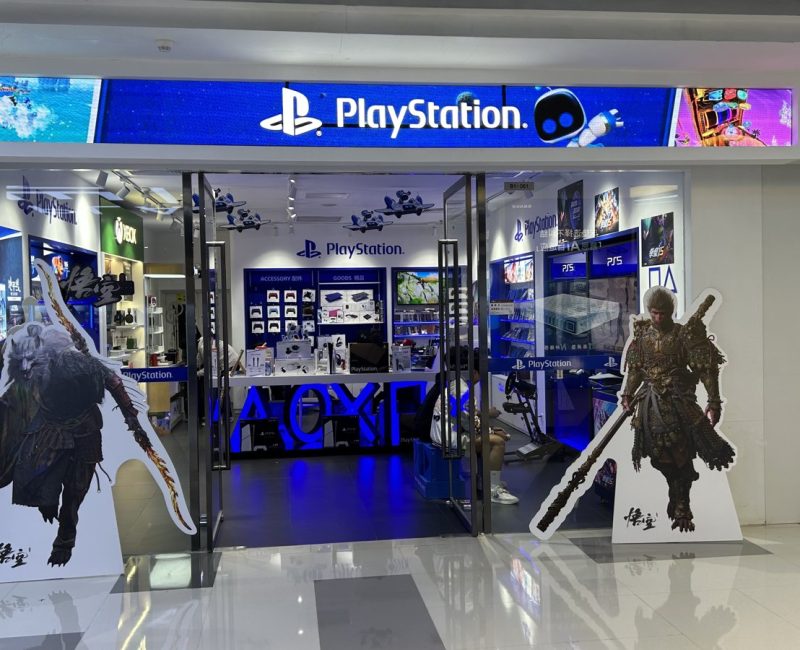
For the second time in a week, a competition regulator is asking the same question about the PlayStation Store: should Sony be the only shop that can sell digital games on its consoles?
On Monday, Nov. 23, South Korea’s Fair Trade Commission sent investigators into Sony Interactive Entertainment Korea for an on-site investigation of how PlayStation games are distributed and sold in the country, according to reports from ChosunBiz, Seoul Economic Daily and The Asia Business Daily. It lands five days after Turkey opened its own formal probe, and six days after a UK tribunal threw out a nearly £2 billion class action over the same store rules.
That is a strange mix of signals for PS5 owners. One legal system just looked hard at Sony’s model and decided it was fine. Two others are only starting to look. Here is what is actually on the table, and what it is not.

Korea and Turkey are both circling the PS Store
The Korean case is being run by the commission’s new special investigation unit, which launched in early October. Local outlets describe it as a revival of an investigation bureau that was shut down 21 years ago and once carried the nickname “grim reaper” of big business. Until now it had focused on price-fixing in everyday groceries like kimchi, tofu and instant noodles. Sony Korea is the first target outside the food industry.
According to those reports, investigators want to know two things. First, whether Sony’s Korean arm used a dominant market position to push game suppliers into selling games and content only through its own store. Second, whether that arrangement ended up raising what Korean players pay. The commission itself has said little. An official told The Asia Business Daily the agency “cannot provide specific details regarding individual investigations.” I could not find a public response from Sony on the Korean probe at the time of writing.
An on-site investigation is an early, evidence-gathering step. It is not a ruling, a fine or even a formal charge, and it is worth reading the headlines with that in mind.
Turkey’s case is further along on paper. The country’s Competition Authority announced on Nov. 18 that its board had opened a full investigation into several Sony entities, based on a decision dated Oct. 15. The authority laid out three questions:
- Are Sony’s PS Store commissions excessive, and do they make digital copies cost more than the same games on disc?
- Did Sony shut out rivals by keeping digital games and in-game content from being sold anywhere but the PS Store?
- Did Sony stop developers and publishers from telling players about other, cheaper places to buy?
As Anadolu Agency noted, opening an investigation does not mean Sony broke the law or will be penalized.
Why Sony just won in the UK
The reason these new probes matter is that Sony already beat the most detailed version of this argument. On Nov. 17, the UK’s Competition Appeal Tribunal unanimously dismissed consumer advocate Alex Neill’s opt-out claim, brought on behalf of roughly 12.2 million UK PlayStation buyers. By trial, the claim sought about £1.49 billion in damages, or around £1.97 billion with interest, according to Brick Court Chambers, whose barristers represented Sony.
The claim argued that Sony’s store-only setup and its cut, which the judgment says typically targets about 30%, left players paying roughly 20% more than they would have with competing stores. The tribunal did not buy it, for a few reasons:
- Market definition. The panel refused to treat the PS Store as its own little market. Discs from competing retailers, people who own more than one platform, and the option to buy some content elsewhere all put pressure on Sony’s prices. It concluded PlayStation competes as a whole system against Xbox and Nintendo, and the claim had no fallback argument for that market.
- The console math. Sony often sells hardware at thin margins or a loss and earns it back on software. Judged at the system level, the tribunal did not find Sony’s returns excessive.
- Rival stores aren’t free. Sony accepted third-party stores were technically possible, but the tribunal found they would need real engineering work and raise unresolved security concerns. Once a fair platform fee was added, Linklaters’ summary notes, the total cost of selling through a rival store would likely look similar to today. The panel also pointed out that the Epic Games Store was struggling to turn an overall profit at a 12% commission.
Sony’s general counsel, Stephanie Burns, said the ruling “affirms Sony Interactive Entertainment’s business model,” per Courthouse News. Neill said she was disappointed and is weighing an appeal. A hearing the week of Dec. 14 will deal with costs and any request for permission to appeal.
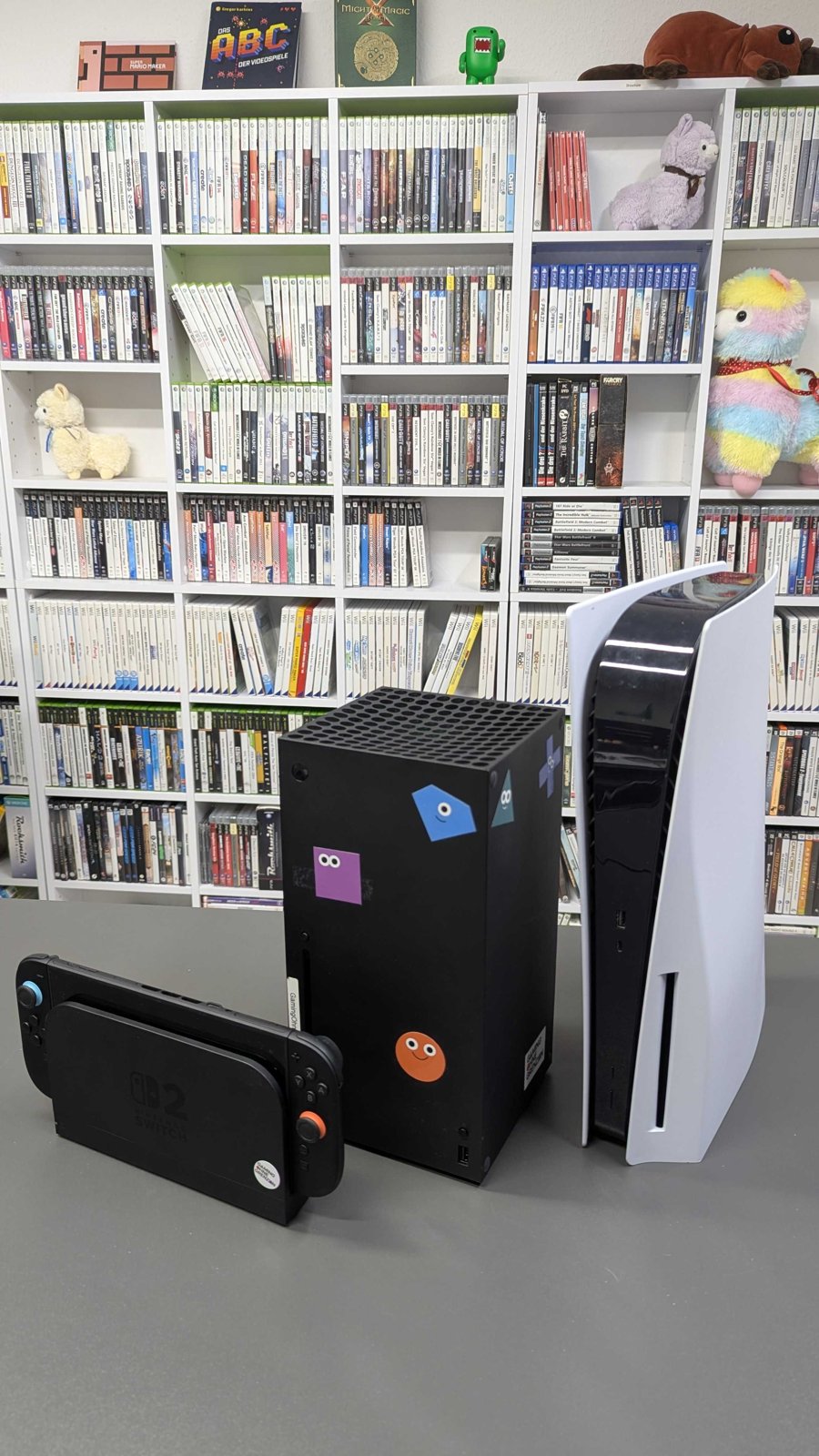
There is one line in the judgment that deserves more attention than it got. Sony announced in July that new PlayStation games will stop shipping on disc starting January 2028, with retailers selling digital versions instead. The tribunal said that change falls outside the claim period and set it aside. But it also observed that if there is a real concern with ending discs, it is that doing so removes competition from independent retailers and could let Sony raise digital prices once that pressure is gone. In other words, part of the argument that saved Sony in court is an argument the company is planning to retire.
To be fair, this is not only a Sony issue. Xbox and Nintendo Switch consoles also route digital purchases through their own first-party storefronts, which is why the tribunal kept comparing whole systems. PC is the outlier, where Steam, Epic, GOG and others compete for the same customer. None of the reports so far say Korea or Turkey is looking at Microsoft or Nintendo.
Cody’s take
I grew up buying PS2 games in shrink wrap and hunting used-bin bargains, so the “disc is your price check” argument hits home for me. And honestly, the UK panel made a solid case. Console makers do subsidize hardware, rival stores would need security work, and a lower store cut does not guarantee a lower sticker price. It could just mean fatter publisher margins.
But the ground under that ruling is shifting. Digital already dominates, Sony has a date to end new disc releases, and Korea’s investigators are asking about local price effects the UK case never covered. Turkey’s question about whether publishers can even tell you about cheaper options is the one I would watch, since that is exactly the kind of rule regulators have gone after on phones.
Realistically, nothing changes on your PS5 this week. These probes take months or years, and both could end with no action at all. If you play on PlayStation, the practical move is the same as ever: compare disc and digital prices before you buy, especially during Black Friday sales, while that comparison still exists.
Author