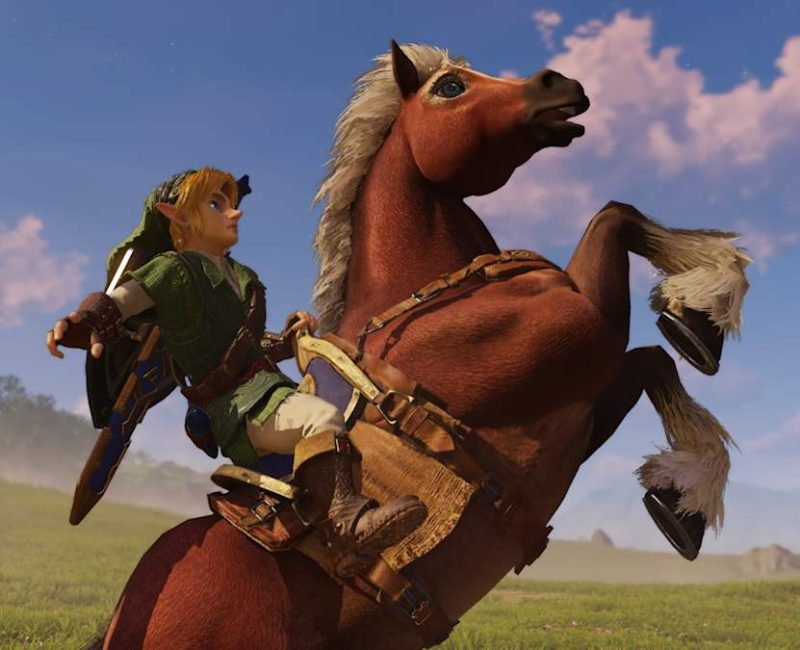
Three days. That’s how long Zelda fans have left before The Legend of Zelda: Ocarina of Time returns as a full remake, and Nintendo picked this week to pull back the curtain on how it was made. On November 2, Nintendo published the first two parts of Ask the Developer Vol. 24, its long-running interview series, with series producer Eiji Aonuma, co-producer Hidemaro Fujibayashi and the core team behind the Switch 2 version. Parts 3 and 4 are due November 3.
The interesting part isn’t the usual “we love this game” stuff. It’s the list of things the team tried to modernize and then put back the way they were.
Quick refresher on the facts first. The remake is a Nintendo Switch 2 exclusive launching Thursday, November 5, at a regular price of $59.99. Nintendo’s store page lists an estimated 27 GB download and support for TV, tabletop and handheld play. It was the headline of September’s Legend of Zelda 40th Anniversary Direct, where Nintendo also announced a Triforce-themed 40th Anniversary Edition of the Switch 2 that went on sale October 29, an orchestral concert tour for 2027 and a live-action film for April 30, 2027.
The warp points that didn’t survive
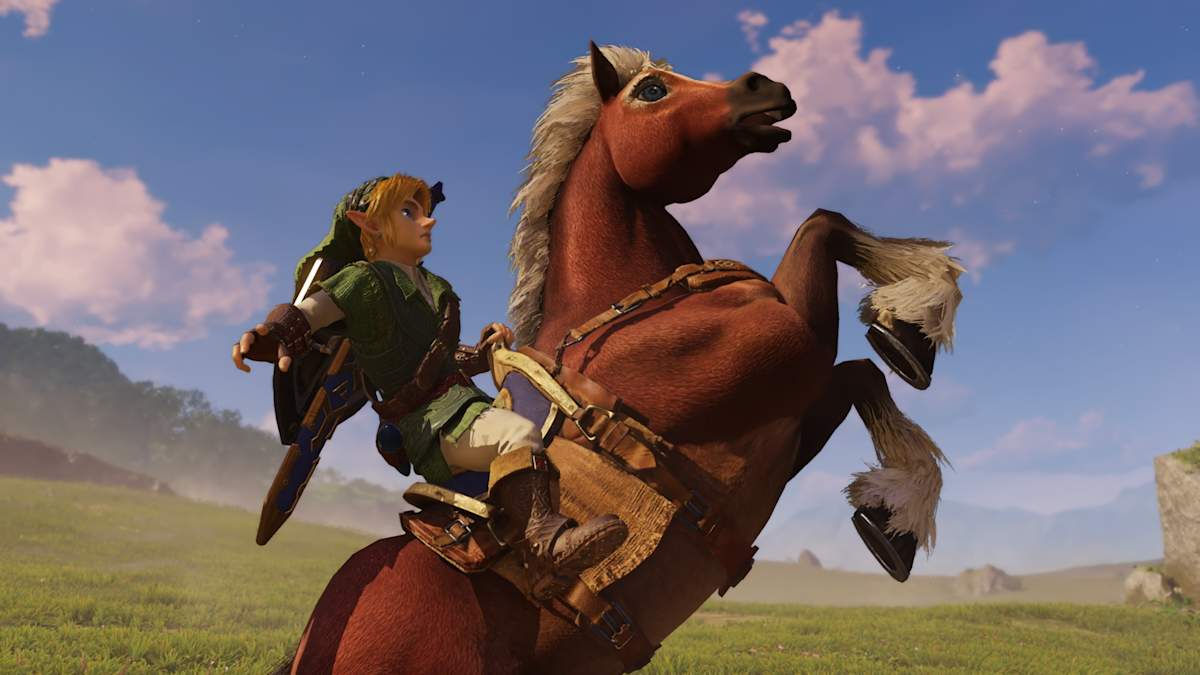
The best story in Part 1 comes from Aonuma himself. Anyone who played the 1998 original remembers crossing Hyrule Field by spamming forward rolls because it was slightly faster than running. Thinking of the fast travel in Breath of the Wild, Aonuma asked the team to add warp points that the N64 game never had. Then they played it that way, and he changed his mind. Skipping across the map killed the small “wait, what’s that?” detours that the game’s structure depends on, so he had the team pull every warp point back out.
Honestly, I like that Nintendo admitted this. It’s a small design decision, but it tells you what kind of remake this is: the team treated the original’s pacing as load-bearing. The tradeoff is also real. People who grew up on open-air Zelda, where you can glide to anything you can see, may find the long walks between areas old-fashioned. Nintendo is betting they’ll come around.
Aonuma also explained why the project exists at all. Many of the people on today’s Zelda team have only shipped the recent open-air games, and he wanted them to learn the structure and craft of the game that defined 3D Zelda by rebuilding it from scratch. Producers deliberately stepped back. Fujibayashi says his main job was making the team decide early, and clearly, what to change and what to protect. That’s a refreshingly honest framing. This remake is partly a training exercise for whatever Zelda comes next, and Nintendo isn’t hiding that.
There’s some great history in there too. Aonuma joined the N64 project partway through, mostly handling dungeons and enemies. When he asked composer Koji Kondo for final boss music near the deadline, Kondo sent back something bright and upbeat. Aonuma nervously asked for a change, and the next day Kondo delivered the battle theme fans know today. The team still jokes he must have had two versions ready all along.
A “puppet-show” Hyrule
Part 2 brings in the newer generation: director HokWai Ng, whose Zelda work began with Tears of the Kingdom; art director Aya Shida; program director Hiroki Taguchi; and Masato Ohashi, a sound director and the music lead. Two of them say they never played the original when it came out. Shida only played the N64 version after joining the project.
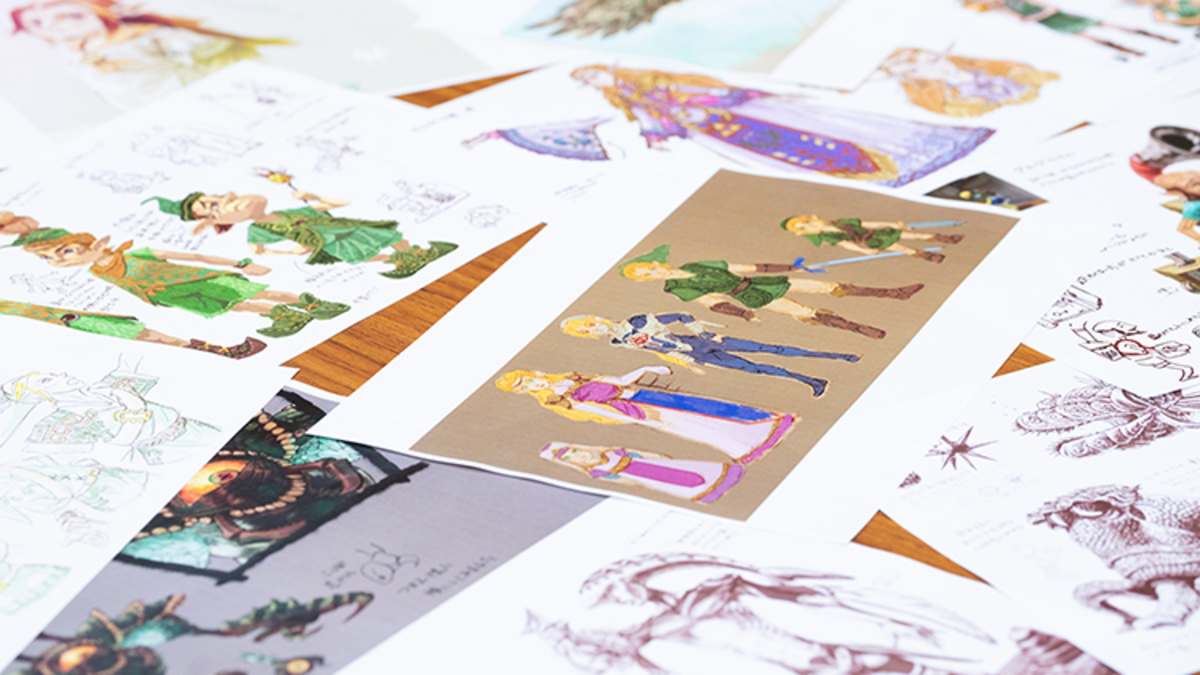
The art direction is the part I find most interesting. Instead of chasing realism, Shida says the team used phrases like “a puppet-show feel” and “the analog feel of practical effects films” as early keywords. The idea is that neither puppet shows nor old special-effects movies look real, yet both make their characters feel like they truly live in their world. That explains why the screenshots look detailed without looking like a photorealistic Unreal Engine demo. She also describes researching how forest children might weave their own clothes, down to visiting museums and experimenting with making fabric from thread, so Young Link’s tunic wouldn’t look machine-made.
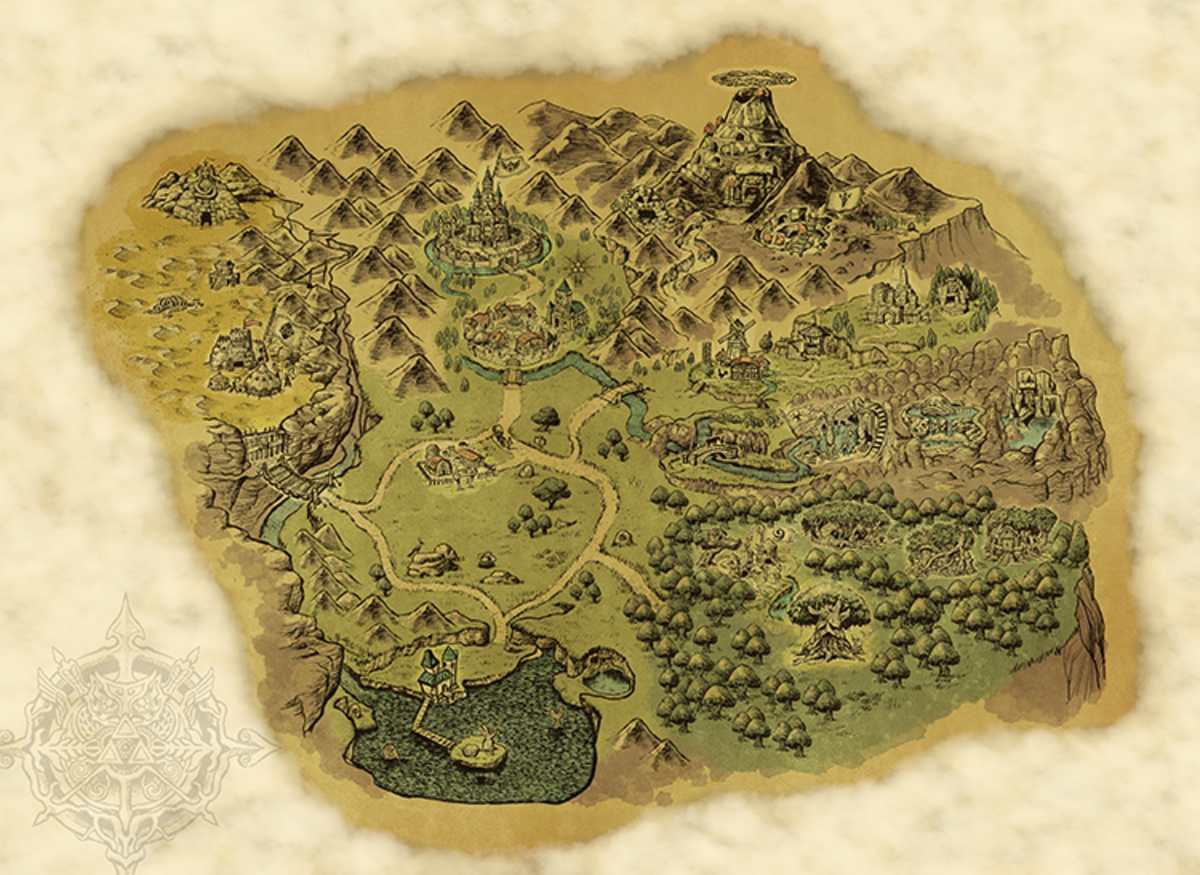
Another choice that will split people: the world is not seamless. Ng says the team kept separate maps for each area, like the original, because the moment of stepping from Kokiri Forest into Hyrule Field is part of the experience. They even brought back the artist who drew the N64 version’s map illustrations to draw a new one. Shida adds that the team enlarged landmarks like the castle and windmill and used less detail on areas you can’t reach, so players don’t assume they can climb every mountain on the horizon the way they would in Breath of the Wild. Smart, but also a reminder that this is a faithful remake, not a reimagining.
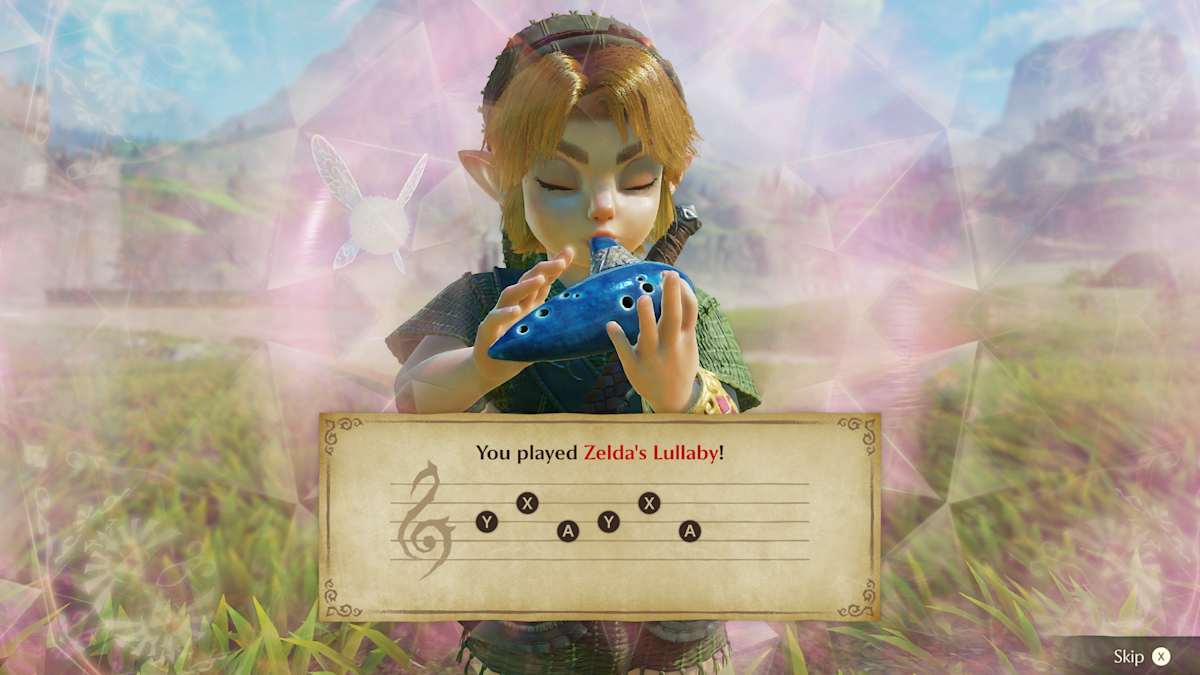
What did change is plenty. Per Nintendo’s own feature list, Link can now jump and dash with button presses, the camera works on the right stick, cutscenes are expanded and fully voiced, the soundtrack is orchestral, and the day/night cycle keeps running even in towns. A new “Threads of Time” screen tracks your story progress and next objective on a tapestry that fills in as you play. You can aim the bow and Hookshot with buttons or motion controls. And in a feature I genuinely want to try, you can hum an ocarina song into the Switch 2’s built-in microphone and Link plays it in-game. Young Link and Young Zelda amiibo arriving in 2027 will unlock retro-style masks.
The pressure is real. Ahead of launch, Aonuma told AFP during a trip to Paris, where he was named a Knight of the Order of Arts and Letters, that “I’m all nervous about releasing the remake of ‘Ocarina’ because I don’t know how it’s going to turn out, I can’t stop thinking about it.” He has reason to be. The N64 original still sits at a 99 on Metacritic, and the aggregator has hinted reviews for the remake will land midweek, likely Wednesday based on past first-party launches, as Notebookcheck noted. No remake is going to match a 99 in 2026, and nobody should expect it to.
Nintendo is still going all in on the launch itself. In the UK, it’s hosting an official midnight launch at the Nintendo store inside Argos on London’s Tottenham Court Road on Wednesday night, where buyers get a replica of the UK N64 box built to hold the Switch 2 cartridge, plus an ocarina key ring while supplies last. In the US, Nintendo says digital buyers who purchase before November 23 at 11:59 p.m. PT get a 40th anniversary wallpaper.
Cody’s take
Full disclosure: I’m a PS2 kid, so Ocarina was a game I caught up on later rather than one I unwrapped in 1998. That’s exactly why this remake interests me. A lot of people today know Zelda only through Breath of the Wild and Tears of the Kingdom, and a polished, modern-controls version of the game that invented Z-targeting is a good way in.
Still, $59.99 for a remake is a real ask, and the choices that make it faithful, like segmented maps, no new fast travel and a carefully paced story, could feel dated to some players. I’m not going to guess at a score before anyone has played the final game. What I will say is that Nintendo’s developers sound like they understood the assignment: they didn’t try to turn Ocarina into an open-world game, and they backed out changes when those changes made it worse. Reviews should land in the next couple of days, and I’ll be watching them closely.
All images: official Nintendo screenshots and artwork from Nintendo.com and Nintendo’s Ask the Developer interview. Image: Nintendo.
Author