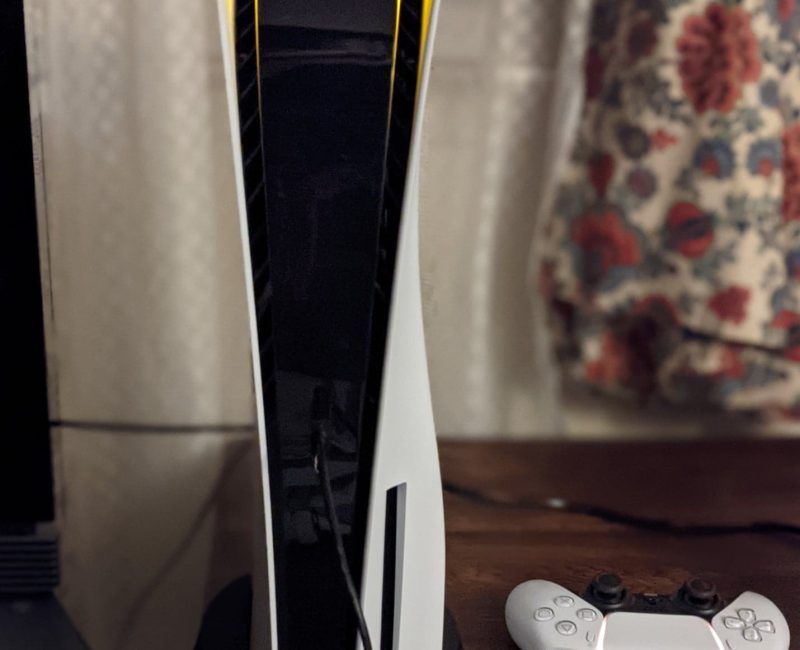
Sony and Nintendo both reported Thursday, and the headlines pulled in opposite directions if you only skimmed them. Sony said development of its next-generation PlayStation platform is “progressing as scheduled.” Nintendo said it is not considering another Switch 2 price hike. Underneath both lines is the same industry headache: memory costs keep climbing, hardware sell-in is cooling, and the real money is still in software, services and keeping people playing.
For PlayStation watchers, the useful part of Sony’s Q2 FY2026 call was not a PS6 teaser reel. It was a CFO putting a calendar around next-gen spending, admitting PS5 unit sales are sliding on schedule, and still raising the games forecast because engagement and third-party software are carrying the platform.
Sony Group’s consolidated second quarter, the three months ended September 30, 2026, was a company record for that period: sales of 3,429.4 billion yen, up 10 percent year over year, and operating income of 622.3 billion yen, up 45 percent, according to the earnings presentation and CFO Lin Tao’s remarks on the call. Inside that, Game & Network Services sales rose 9 percent to 1,208.5 billion yen. Operating income jumped 83 percent to 220.1 billion yen, another Q2 record for the segment. Strip out one-time losses booked in the year-ago quarter and the operating-income gain was still about 29 percent.
Sony raised its full-year G&NS sales forecast 6 percent from the previous outlook to 4,830 billion yen and lifted the segment operating-income forecast 6 percent to 700 billion yen. Tao credited higher-than-expected third-party software and network service sales, plus lower costs. On the media Q&A, she linked the software strength to engagement: September monthly active users hit 127 million accounts, up 7 percent year over year and a record for that month, while total play time for the quarter rose 4 percent. Sony Interactive Entertainment’s public sales page lists the same 127 million MAU figure as of September 30, 2026.
Hardware is slowing. The platform is not.
The PS5 number everyone was waiting for landed roughly where late-cycle math said it would. SIE’s sell-in table shows 2.6 million PS5 units in Q2 FY2026, down from 4.0 million in the same quarter a year earlier. Cumulative worldwide PS5 hardware is listed as more than 97 million as of September 30, 2026; earnings coverage citing Sony’s materials put the more precise lifetime figure at 97.9 million. Either way, the console is within shouting distance of 100 million and still trailing the PS4’s pace at a comparable point in the cycle.
“Although new PS5 unit sales are gradually declining as expected in this stage of the console life cycle, the PS platform continues to expand and grow in a stable manner,” Tao said. That is the whole PlayStation story in one sentence. Hardware is doing what aging hardware does. Software and services are doing the work.
First-party helped. Cumulative sales of Marvel’s Wolverine, which launched in September, have exceeded 2.4 million units, Tao said. Software sell-in for PS4 and PS5 combined reached 88.2 million units in the quarter on SIE’s table, up from 80.3 million a year earlier. Sony also confirmed a schedule change that will annoy God of War fans: God of War: Laufey has been postponed to the first quarter of the next fiscal year so the team can keep polishing a “premium experience.”
The next-gen comments were careful and still the clearest timeline Sony has offered in months. Asked whether next-generation R&D is on track, Tao answered directly: “We are progressing as scheduled.” Looking ahead, she said Sony intends to “make solid progress in preparing for the next-generation platform,” and that “from next fiscal year onward, there will be investment in the new platform.” Sony’s fiscal year starts April 1, so that spending window opens in April 2027. There is still no public name, price or launch date. Earlier this year CEO Hiroki Totoki said a release date had not been decided. Thursday did not change that. Tao’s line was that Sony will announce details “at an appropriate time in the future.”
Memory is the constraint hanging over all of this. Tao said Sony has offset rising memory prices on current PS5 hardware through promotions, pricing adjustments and cost cuts, and expects hardware profitability for the current fiscal year to stay roughly on par with last year. For next fiscal year, she said supplier talks have already “aligned on the quantity of memory needed for our projected hardware unit sales.” In the same breath, she warned that memory prices will remain one of the management challenges next year, especially once next-gen investment ramps.
Nintendo’s same-day answer: no more Switch 2 hike, for now
Nintendo’s half-year results, also published November 5, tell a similar hardware-versus-software story with a friendlier price headline. Net sales for April through September fell 12.1 percent to 966.0 billion yen, while operating profit rose 49.1 percent to 216.5 billion yen, according to Nintendo’s official explanatory materials. Switch 2 hardware sell-in dropped 37.4 percent year over year to 6.49 million units. Switch 2 software rose 18.8 percent to 24.49 million units. The company left its full-year forecast unchanged, including 16.50 million Switch 2 hardware units for the fiscal year ending March 2027, and it is still baking in roughly 100 billion yen of impact from rising component prices, “particularly for memory.”
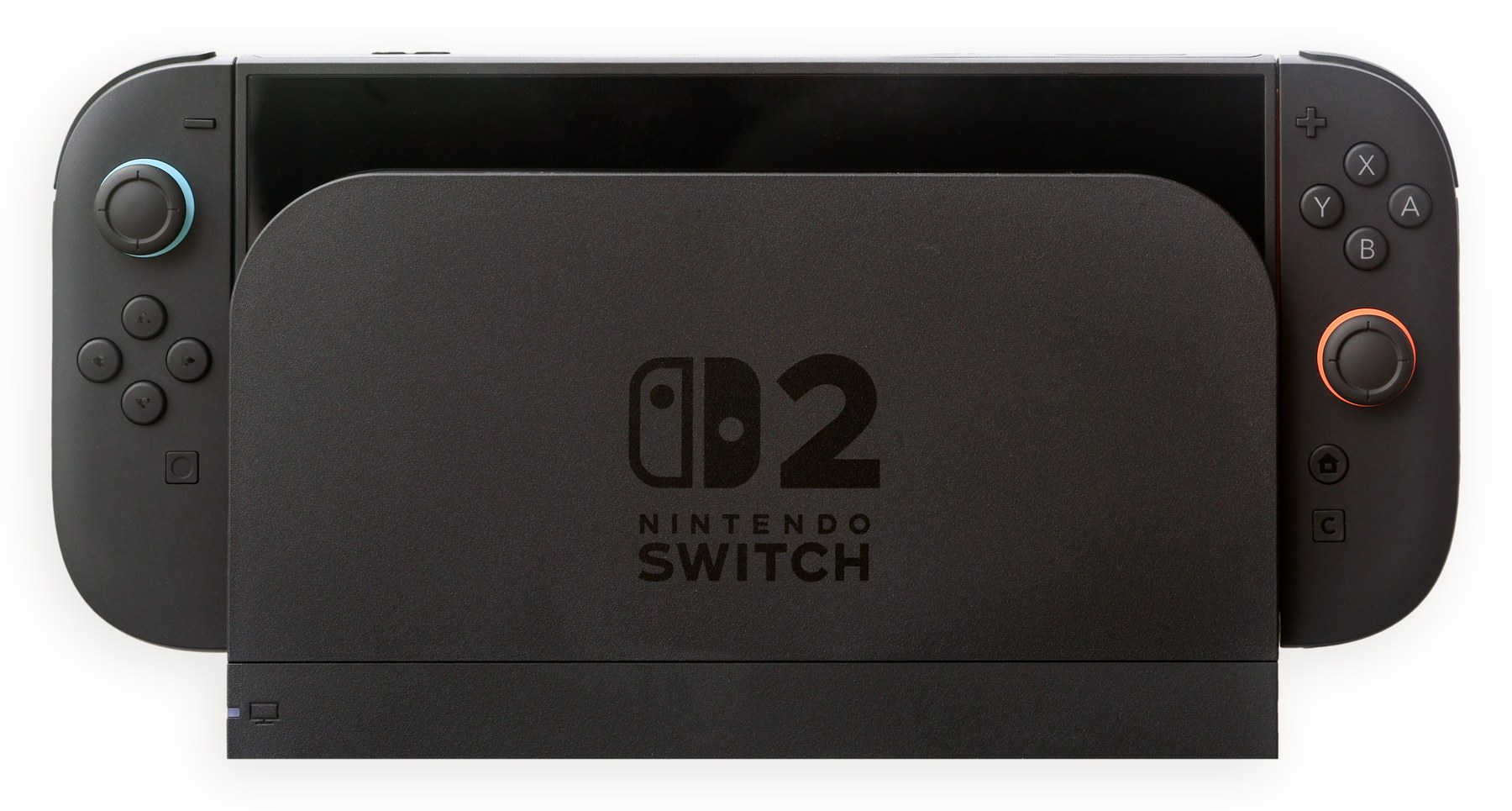
On pricing, president Shuntaro Furukawa told the earnings call Nintendo is “not considering additional changes” to the Switch 2’s price, according to Reuters reporting carried by The Verge and others. He also said there has been “no major change to the memory situation” and that Nintendo “is in a position to secure sufficient quantities.” That matters after this year’s U.S. bump that took the Switch 2’s starting price to $499. It is not a forever promise. Nintendo has said before that component trends could still force a flexible response. For holiday 2026, the company is signaling supply and sticker stability rather than another hike.
Cody’s take
I grew up on a PlayStation 2, so “next platform is progressing as scheduled” still hits a nerve. What I like about Thursday’s pair of earnings dumps is that neither company pretended hardware was the whole story. Sony’s PS5 is slowing in units and still close to 100 million lifetime. Its MAU and play-time numbers are healthier than the hardware chart. Nintendo’s Switch 2 hardware is down sharply year over year while software keeps climbing and profit is up. That is the mature-console pattern, just happening under a worse memory market than any of us wanted.
The open questions are the ones investors actually asked. When does Sony start talking about the next PlayStation in public instead of in Q&A hedges? Can both companies keep hardware profitable if memory stays expensive into FY2027? And does a holiday slate — including the third-party monster Sony keeps alluding to without naming in every sentence — push engagement high enough that unit sales become a secondary scoreboard?
For now, the grounded read is simple. PS6 work is real enough for Sony to put April 2027 investment language on the record. The Switch 2 is not getting another price hike this week. And if you still care more about what you play than how many boxes left the warehouse, both platforms just told you that part of the business is the one they are defending hardest.
Sources: Sony Q2 FY2026 earnings call transcript; SIE Business Data & Sales; Sony Form 6-K; VGC; GamesRadar+; Nintendo financial results explanatory material; The Verge / Reuters.
Author