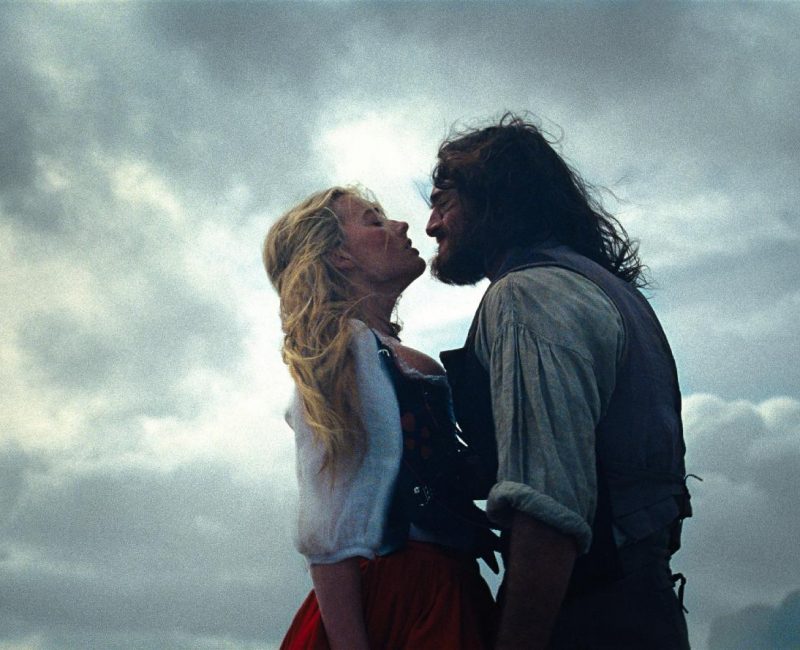
- Wuthering Heights is currently one of the most talked-about films in theaters.
- Trade data shows it leading key daily box-office tracking during a highly competitive February run.
- The movie is pulling both prestige-drama audiences and social-first mainstream viewers.
- Its early momentum is driven by cast heat, director brand power, and adaptation controversy.
The top trending movie conversation right now belongs to Wuthering Heights. That is not just hype language. It is happening at the exact point where theatrical results, social chatter, and pop-culture curiosity are all moving in the same direction.
Emerald Fennell’s version arrived with major expectations, then immediately faced a competitive release corridor. February has several headline titles fighting for attention, which makes any early lead even more meaningful. In other words, this was not a quiet runway.
Margot Robbie and Jacob Elordi were always going to pull traffic, but the real story is how wide the conversation became. Fans of literary adaptations showed up. So did audiences who mostly know both leads from modern franchise or prestige work. That crossover matters for legs.
The Numbers tracking during the February window showed Wuthering Heights out front on a key daily chart, posting a strong figure while competitors were still pushing hard. For a movie built on tone and relationship drama, that is a serious early signal. It suggests audience curiosity is converting into paid tickets.
Why This Adaptation Is Dominating the Feed
This film is not trending because it is safe. It is trending because it is polarizing in a way that still feels cinematic. People are debating interpretation choices, visual style, and emotional intensity at the same time. That kind of layered argument drives repeat visibility online.
Fennell’s brand also adds fuel. Her work usually creates strong “love it or hate it” discourse, and that is exactly the type of attention loop that keeps a title alive past opening weekend. A movie does not need unanimous approval to win attention; it needs sustained conversation.
Casting strategy was another smart lever. Robbie brings mainstream trust and awards-era credibility. Elordi brings younger fan energy and high social discoverability. Put both in a classic text with modern edge, and you get a built-in engagement engine.
Trade and editorial calendars also helped this title. Multiple 2026 “most anticipated” lists framed it as a major February event before release, so awareness was already elevated. When a movie enters theaters with that setup, opening-week conversation has a higher ceiling.
Box Office Pressure Test and What Comes Next
The marketplace context makes this even more impressive. GOAT*, *Crime 101*, and other fresh entries all competed for space in the same period. Yet *Wuthering Heights still owned top-of-chart oxygen at a critical moment. That is the difference between “noticed” and “dominant.”
The next test is hold strength. If weekday and second-weekend performance stay healthy, the narrative shifts from “buzz title” to “real run.” If drops accelerate, it may settle into a shorter but still high-impact cultural moment. Both outcomes still keep it central to the 2026 movie conversation.
From an industry lens, this is a reminder that literary adaptations are not dead at all. They just need clear point of view, event-level casting, and marketing that leans into debate instead of avoiding it. Wuthering Heights checked all three boxes early.
Bottom line: the trend is real, and it is backed by more than vibes. Wuthering Heights currently sits at the intersection of conversation power and measurable theatrical momentum. For 4GQTV readers, this is the movie story to watch right now.