- Continuum framed corporate power and surveillance years before those debates went mainstream.
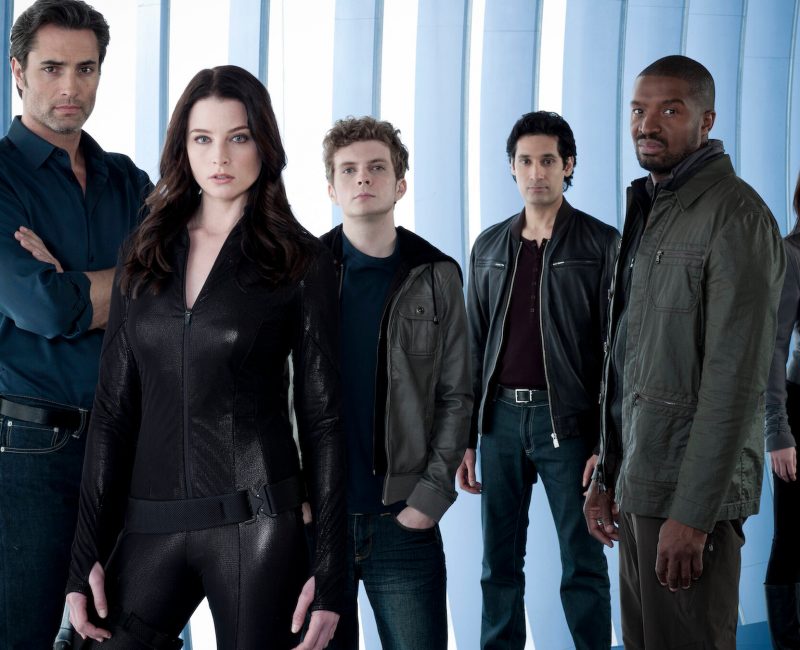
- The show’s cast, led by Rachel Nichols, gave the political ideas emotional weight.
- It did not predict exact events, but it strongly anticipated today’s social direction.
- This is a smart time for genre fans to revisit it.
Continuum predicted the future in a way that now feels impossible to ignore. The series ran from 2012 to 2015, but the issues it raised look like 2026 headlines. That is exactly why people keep rediscovering it.
On paper, the setup sounds simple. A law enforcer from 2077 gets stranded in 2012 while chasing a militant group. In practice, the show quickly asks harder questions about power, freedom, and who controls the rules.
What makes Continuum hit so hard now is its central fear. The future is not just authoritarian. It is corporate-authoritarian. Government and private power blend into one system, and ordinary people lose room to push back.
That theme felt dramatic when the show debuted. Now it feels familiar. Public trust has dropped, consolidation has accelerated, and surveillance technology is part of daily life. So yes, the show suddenly looks a lot less fictional.
Why Continuum Predicted the Future for 2026 Audiences
The strongest point is not that Continuum guessed specific events. The strongest point is that it understood direction. It saw where incentives were pointing and built a story around that trajectory.
The show also refused easy heroes. Liber8 fights a future police state, but its methods are violent and morally ugly. Kiera Cameron enforces order, yet she slowly sees how broken that order really is.
That moral tension gave the series long-term relevance. It never argued that one side is pure. Instead, it asked what people compromise when systems become extreme.
It also examined dependence on advanced tools. Kiera’s implants make her powerful, but they also make her vulnerable. That balance mirrors modern anxiety around AI assistants, data ecosystems, and always-on platforms.
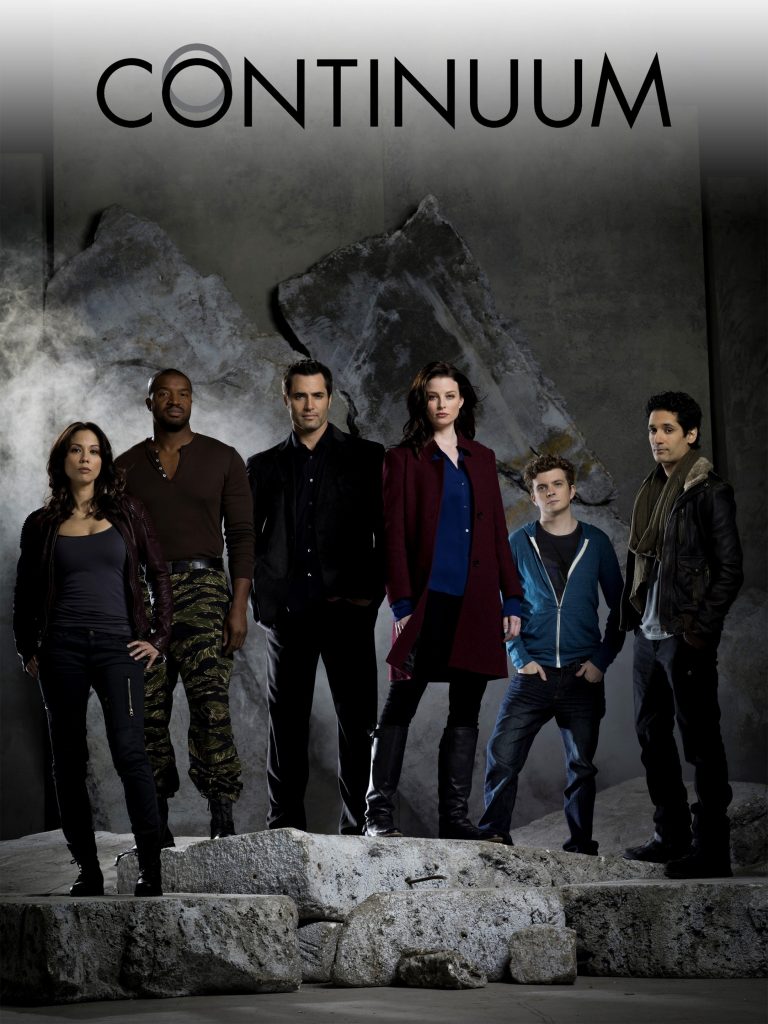
Photo Credit: Thunderbird Entertainment Group
The Cast That Made the Warning Feel Real
Rachel Nichols carries the show as Kiera Cameron. Her performance sells the conflict between loyalty and awakening. Without that emotional anchor, the political commentary would have felt abstract.
Victor Webster plays Carlos Fonnegra as the audience surrogate. He grounds the timeline with practical skepticism and moral clarity. That dynamic helps viewers process the future shock from a human scale.
Erik Knudsen’s Alec Sadler is arguably the show’s most important idea in character form. He is the young innovator who could build progress or build control. That dilemma has only grown louder in the AI era.
The supporting ensemble also matters more than people remember. Stephen Lobo, Omari Newton, Roger Cross, Lexa Doig, Jennifer Spence, and Brian Markinson each push the ethics debate from different angles. The result is a world that feels lived in, not theoretical.
Why Genre Fans Should Rewatch It Right Now
Continuum is not perfect, and it does not need to be. Its value is how clearly it framed the tradeoff between convenience and autonomy. That question is still unresolved, and maybe more urgent now.
So did Continuum predict the future with exact precision. No. But Continuum predicted the future in the way that matters most: it anticipated our arguments before we had the language for them.
If you skipped it years ago, now is the moment to fix that. If you loved it once, it is worth a rewatch with 2026 eyes. You will probably find it sharper, darker, and more relevant than you remembered.