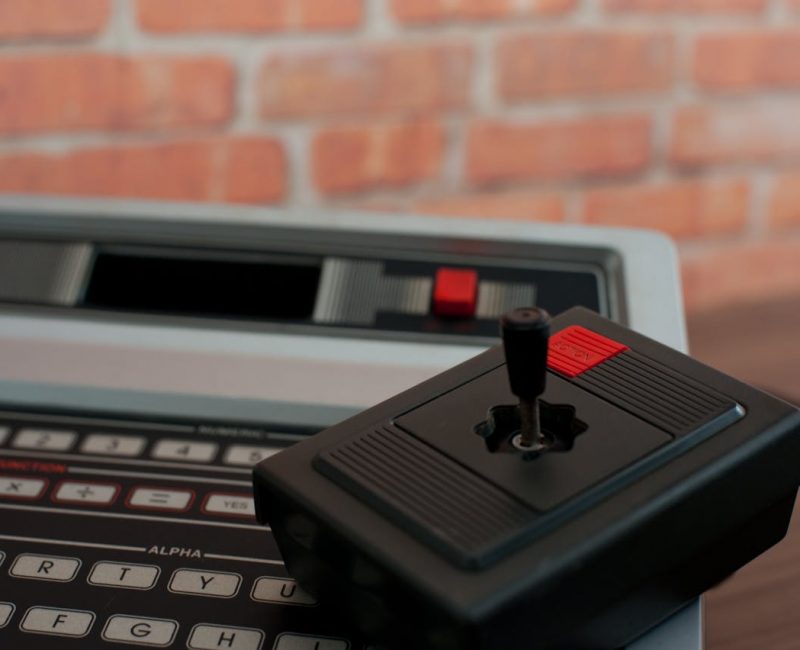
In a world drowning in 8K hyper-realism and endless open worlds, there’s something magnetic about the classics. We look back at the golden age of gaming and see more than just pixels—we see cultural touchstones. These aren’t just games; they are the blueprints that built the industry we love today. Whether you’re a veteran with a dusty cartridge collection or a Switch player discovering them for the first time, these 10 titles are mandatory playing.
1. The Legend of Zelda: Ocarina of Time (N64, 1998)
It’s the G.O.A.T. for a reason. Ocarina of Time* didn’t just bring Zelda into 3D; it taught the entire industry how to build a 3D world. From the sprawling Hyrule Field to the mind-bending Water Temple, it set the standard for action-adventure. The “Z-Targeting” combat system is still the foundation for modern games like *Elden Ring.
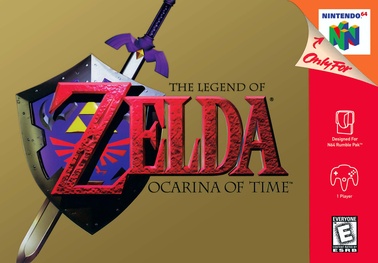
The music is its own character. You don’t just listen to the soundtrack; you play it. Summoning storms or shifting time with a few button presses on the ocarina remains one of the most magical mechanics in gaming history. On the Switch, it’s a verified nostalgia trip that holds up beautifully.
2. Super Mario 64 (N64, 1996)
Before 1996, platformers were flat. Then came Mario 64, and suddenly we were triple-jumping off walls and swinging Bowser by his tail. It was a revelation. The sheer joy of movement—long jumping, backflipping, swimming—made just existing in the Mushroom Kingdom fun.
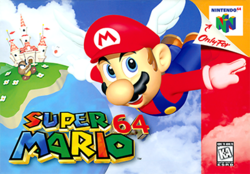
The level design is a masterclass in freedom. Bob-omb Battlefield isn’t a linear obstacle course; it’s a playground. Nintendo proved that 3D gaming didn’t have to be clunky—it could be precise, expressive, and endlessly replayable.
3. Tetris (Game Boy, 1989)
The perfect game. No story, no explosions, just pure geometric anxiety. Tetris on the Game Boy turned gaming from a living room hobby into a global obsession. The “Tetris Effect”—seeing falling blocks in your sleep—is a real psychological phenomenon for a reason.
In 2026, it remains the ultimate test of focus. The satisfying click of a line clear and the panic of the rising stack tap into something primal in our brains. It’s available on literally everything, but the Switch versions keep the competitive spirit alive.
4. Pac-Man (Arcade, 1980)
The face that launched a billion quarters. Pac-Man introduced the first true mascot to gaming. He wasn’t a spaceship or a pong paddle; he was a character. The maze chase mechanics defined the “survival horror” of the arcade era—you were always the hunted.
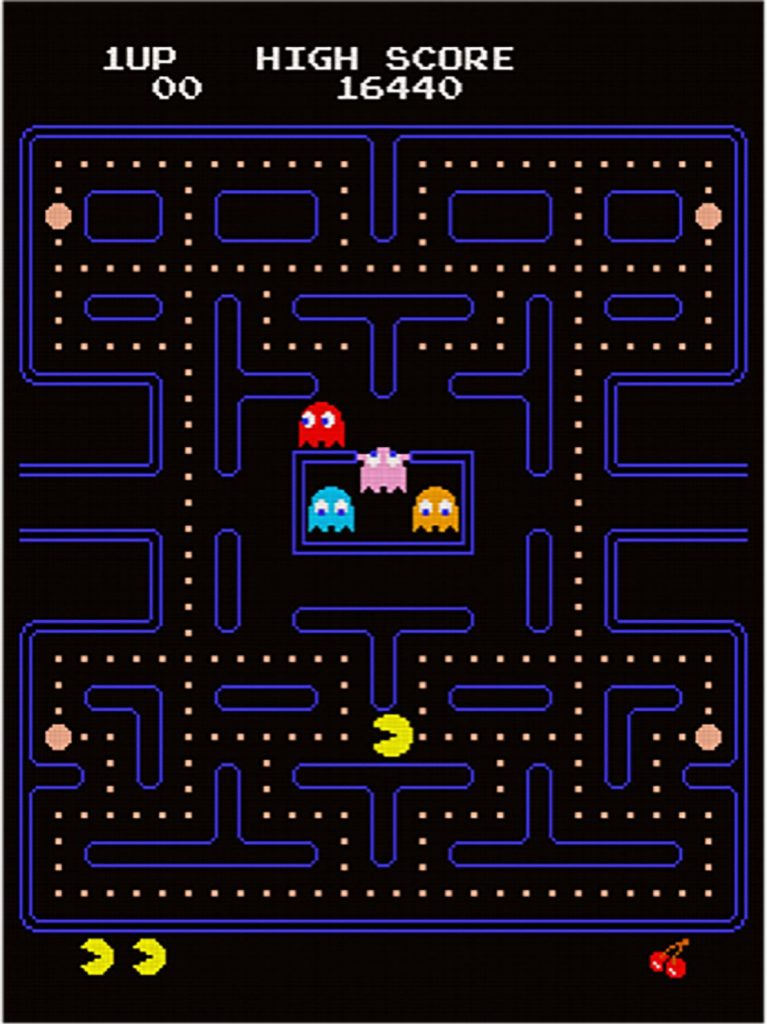
The genius is in the ghosts. Blinky, Pinky, Inky, and Clyde weren’t just random enemies; they had distinct AI personalities that forced you to adapt on the fly. It’s the heartbeat of retro gaming culture and the reason we still chase high scores today.
5. The Legend of Zelda: A Link to the Past (SNES, 1991)
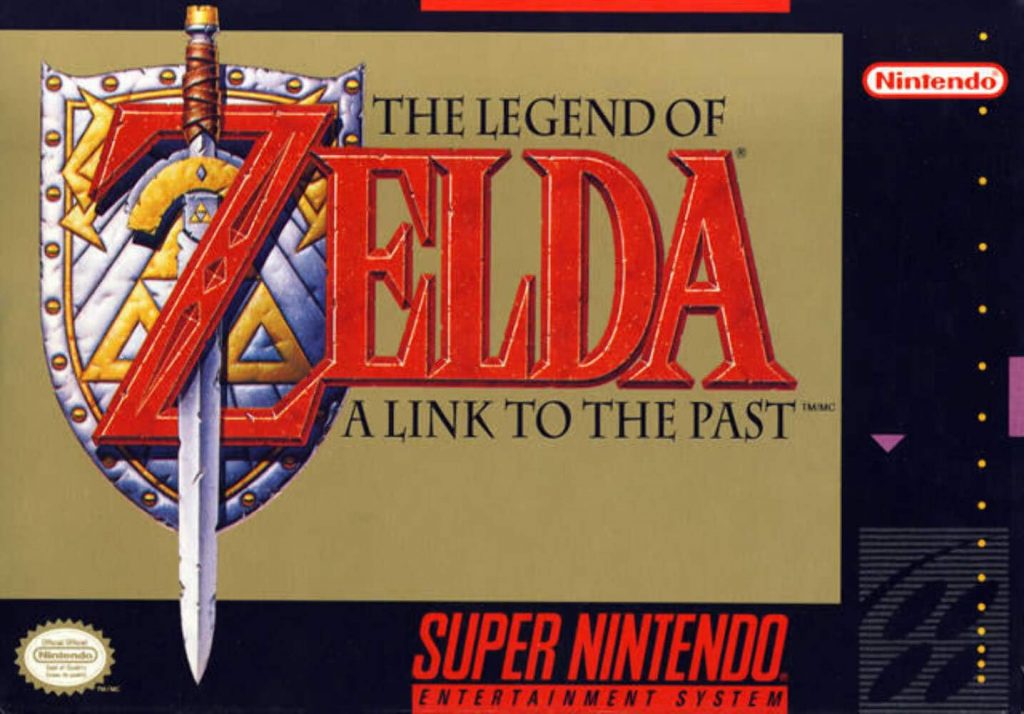
If Ocarina* is the 3D king, *A Link to the Past is the 2D emperor. This game perfected the Zelda formula: collecting tools, exploring dungeons, and uncovering secrets. The Dark World mechanic—flipping between two versions of Hyrule—added a layer of puzzle-solving depth that blew minds in ’91.
Version 1.0.0
It remains arguably the best-paced game ever made. There isn’t a wasted second or a boring screen. For modern players, it’s the definitive proof that 16-bit pixel art is timeless.
6. Sonic the Hedgehog (Genesis, 1991)
Mario was about precision; Sonic was about attitude. The Blue Blur brought speed and swagger to the platforming genre. The Green Hill Zone theme is practically the national anthem of the 90s console wars.
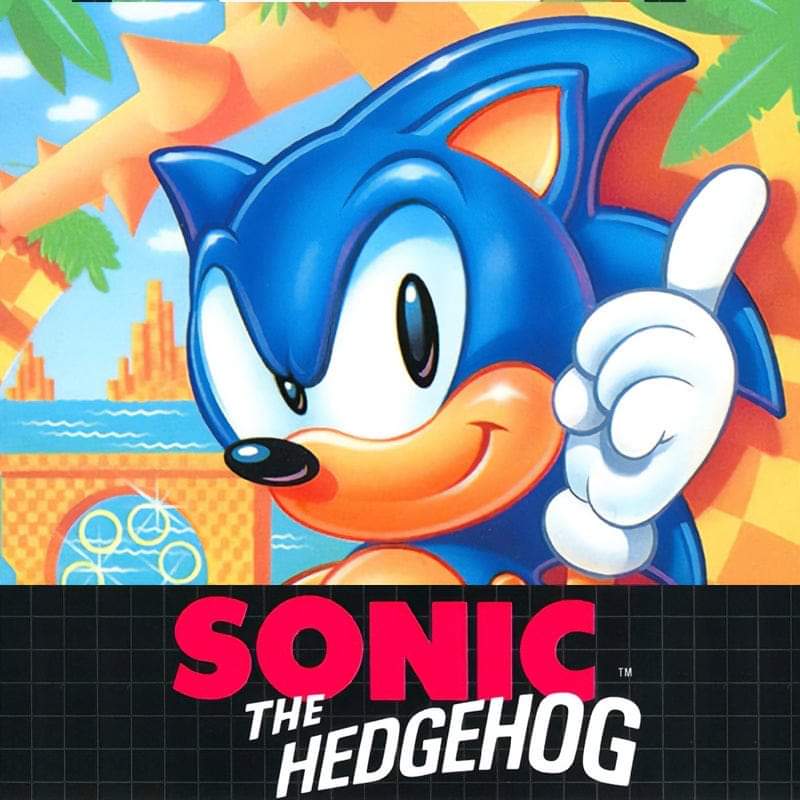
It wasn’t just “hold right to win.” The physics-based momentum meant you had to earn that speed. Mastering the loops and slopes of the Genesis original feels just as satisfying now as it did when you were sitting on the floor in front of a CRT TV.
7. Mega Man 2 (NES, 1988)
Mega Man 2 is the gold standard for action-platformers. It refined the “Stage Select” formula, giving players the freedom to tackle bosses in any order. Defeating a Robot Master and stealing their weapon wasn’t just a reward; it was a puzzle key for the next fight.
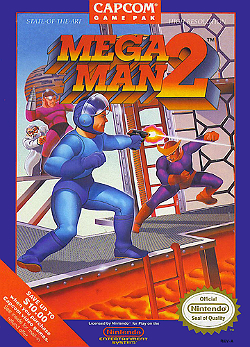
The soundtrack is legendary—”Dr. Wily Stage 1″ is an absolute banger. It’s tough as nails but fair, teaching you patterns and rewarding precision. A must-play for anyone who loves a challenge.
8. GoldenEye 007 (N64, 1997)
The birth of the console FPS. Before GoldenEye, shooters were for PCs. Bond changed everything. The 4-player split-screen multiplayer created lifelong rivalries (and a “No Oddjob” rule that is legally binding in most households).
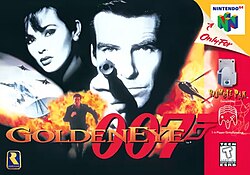
It proved that a licensed game could actually be incredible. The objective-based missions made you feel like a secret agent, not just a floating gun. It paved the way for Halo* and *Call of Duty.
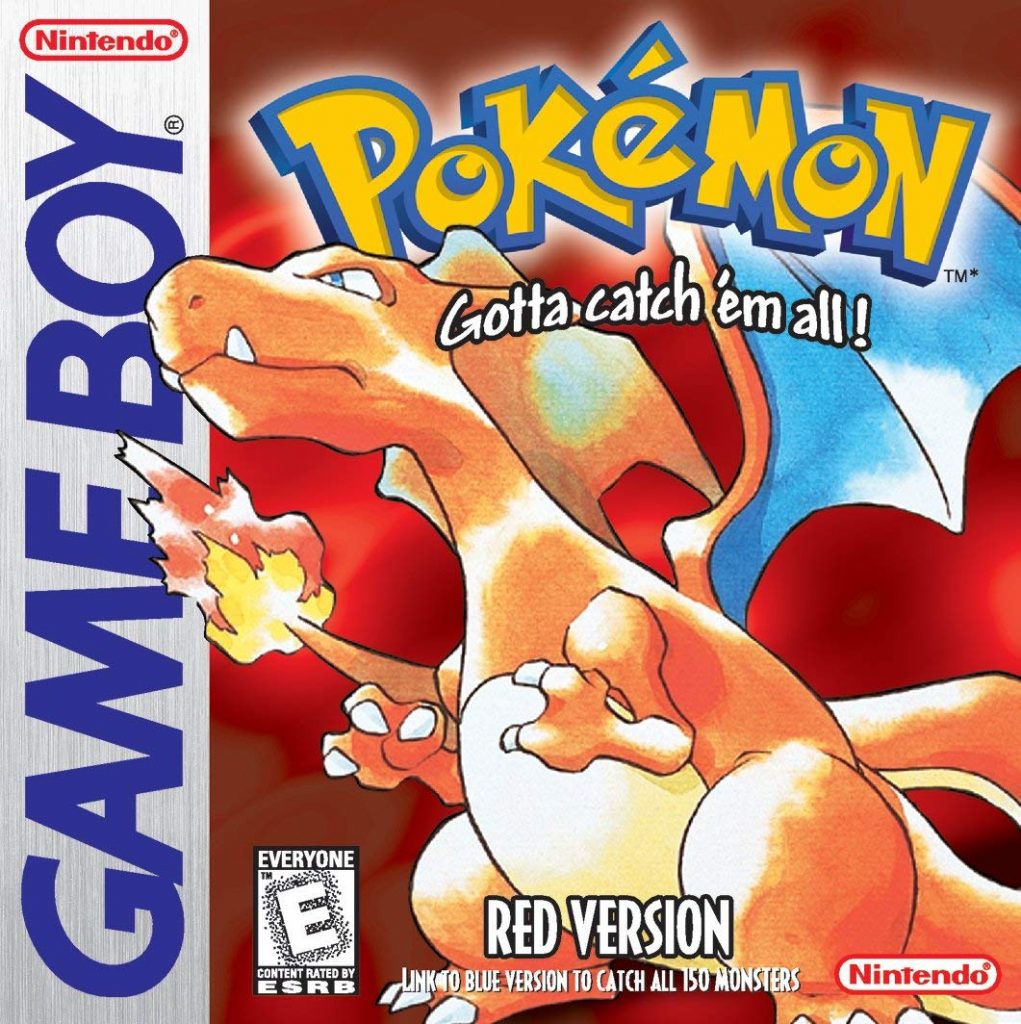
9. Pokémon Red/Blue (Game Boy, 1998)
The game that started a global empire. Pokémon Red and Blue* weren’t just RPGs; they were a social phenomenon. The genius was in the trading—you *had to connect with friends to catch ’em all.
Version 1.0.0
The core loop of catching, battling, and evolving is flawless. Walking into tall grass, hearing the battle music, and throwing your first Pokéball is a core memory for millions. It defined handheld gaming forever.
10. Castlevania (NES, 1986)
Gothic horror meets tight platforming. Castlevania is atmosphere incarnate. From the moment you step into Dracula’s castle, the challenge is relentless. The whip-cracking combat and sub-weapons introduced a tactical layer to the genre.
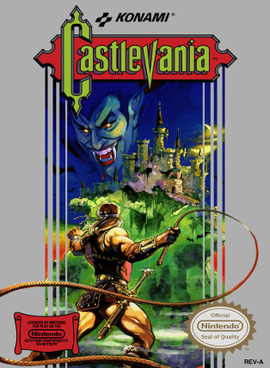
It’s brutal, moody, and deeply satisfying. The music—”Vampire Killer”—is iconic. It set the stage for the Metroidvania genre and proved that games could be dark, difficult, and beautiful all at once.
—
Dust off your consoles! These aren’t just relics; they are the games that taught us how to play. Whether you’re firing up a Switch Online emulator or hunting down cartridges, these 10 legends are worth every second.