

GOG just spent its 18th birthday doing something Linux gamers have been asking for since Galaxy was a PowerPoint slide: putting the storefront’s own launcher on the roadmap for Linux. During the first-ever GOG Showcase, the company said GOG Galaxy is “officially heading to Linux,” alongside a reworked Windows and Mac client that it describes as simpler, faster, and easier on the eyes when you dig through a big library.
The timing sits on GOG’s anniversary page under a blunt heading: Coming In 2027. That is the window for both the next-generation Galaxy client — “finally on Linux” — and the new GOG Social hangout. Closed-beta waitlists are open now. There is still no day-and-month ship date, and the Showcase footage itself was marked work in progress. Treat this as a real commitment with a real calendar year attached, not a download link you can grab tonight.

That honesty matters, because Galaxy has always been the awkward chapter in GOG’s otherwise clean story. The store sells DRM-free games with offline installers. The client was supposed to be the friendly front door for that library, and later a cross-store hub. On Windows and Mac it never fully shook the “optional beta that never quite felt finished” reputation. Linux users were left with browser downloads, wine-adjacent installers, and third-party helpers. Saying the next Galaxy arrives on Linux with the Windows and Mac rebuild is the first time the company has put all three platforms in the same public sentence.
What GOG promised, and what it carefully did not
GOG’s own wording is short and worth quoting. “We know this has been a long time coming, but we wanted to do it properly: GOG GALAXY is officially heading to Linux,” the Showcase post says. “At the same time, we’ve reworked the client on Windows and Mac to be simpler, run faster, and give you cleaner ways to view your library. Most importantly, our core promise stays untouched: GOG GALAXY is entirely optional. Your games are yours to download and keep through offline installers, exactly as they’ve always been.”
That last sentence is the real product philosophy check. Steam can tether your library to Steam. Epic can tether you to the Epic launcher. GOG is still promising that Galaxy remains a convenience layer, not a gate. If the 2027 client ships late, broken, or weird on your distro, the installers are still supposed to be there. For a storefront that built its brand on ownership, that is the line it cannot afford to blur.
Coverage from GamingOnLinux, PC Gamer, and Output Lag lines up on the same facts: 2027 target, closed beta signup, WIP UI footage. Output Lag’s write-up of the Showcase segment notes Recently Played and Recently Added rows, dark and light themes, a wall of covers, and Linux, Mac, and Windows shown side by side. TechPowerUp’s report of the announcement video also called out customization like wallpapers, colors, UI scaling, and fonts. None of those outlets — or GOG — promised Proton/Wine auto-magic for Windows-only titles, cloud-save parity on day one, or a Steam Deck verified badge. Those are the questions Linux gamers will ask the moment beta invites land, and right now they are still open.


Linux players are also not starting from zero. Tools like Heroic Games Launcher, Lutris, and similar front ends already pull GOG libraries onto Steam Decks, handhelds, and desktops today. PC Gamer made that point directly in its Showcase coverage, and it is the right framing. A native Galaxy will not invent Linux GOG gaming. It can make library sync, updates, and multiplayer hooks feel less like a community science project. Until the beta is in people’s hands, Heroic and friends remain the practical path, not a temporary embarrassment.
There is also a competitive backdrop that makes this announcement less lonely than it would have been five years ago. Steam’s Proton stack made Linux gaming mainstream enough that storefronts notice. Epic’s launcher has been on Linux for a while. A DRM-free store finally putting its own client on the same board is less “year of the Linux desktop” fanfic and more table stakes. The catch is the calendar: 2027 is close enough to plan around and far enough that GOG still has to finish the hard parts.
The rest of the Showcase was not just filler
Galaxy grabbed the headlines, but the Showcase packed the anniversary with preservation and community work that actually fits GOG’s brand better than another launcher screenshot.
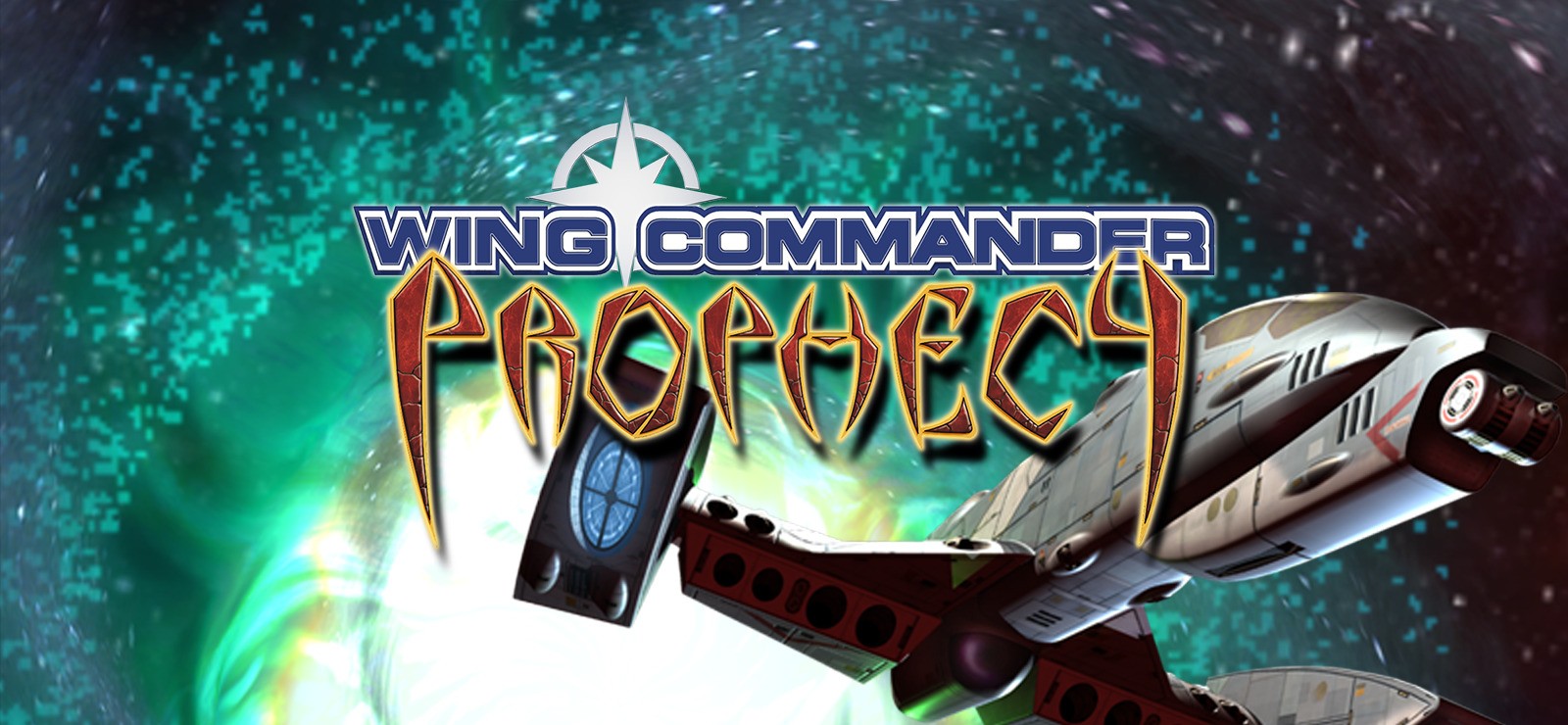
The biggest classic drop is the Wing Commander Anniversary wave with EA. GOG says it led the restoration of Wing Commander Prophecy: 30th Anniversary Edition after the project hit technical walls that EA’s own update pass could not clear. EA-led Anniversary Editions cover Wing Commander, Wing Commander II, III, IV, and Privateer 2. Every Anniversary pack includes both the updated build and the original Legacy version. If you already own the corresponding title on GOG, the Anniversary pack is free on your shelf — no repurchase. Road Rash’s 30th Anniversary Edition also went live DRM-free the same day.

On the community side, GOG Social is opening closed-beta signups as a quieter place for screenshot galleries, videos, polls, threaded replies, spoiler tags, and store-page tags without “algorithmic noise,” in GOG’s words. Retrovibe by GOG marks the company’s first step into publishing with Retrovibe, starting with a classic-feeling indie lineup led by Project Warlock: Lost Chapters. And the Preservation Program update is the kind of spreadsheet flex only GOG would celebrate on a birthday: more than 10,000 Patrons across 100 countries, over 1,700 under-the-hood fixes, and more than 300 classics kept from rotting — with Nox newly pulled into the program after the community asked for it.
None of that replaces a Linux client. It does explain why Linux users kept asking for one. People who buy into GOG’s preservation pitch are exactly the people who dual-boot, live on a Deck, or refuse to keep a Windows partition just to click “Install” in a proprietary launcher.
Cody’s take
I am happy about this, and I am also not packing a party for a 2027 waitlist. Linux gaming does not need another promise. It needs a client that installs cleanly on Fedora, Arch, and Ubuntu flavors, updates without drama, and does not treat offline installers as a nostalgic footnote. GOG saying Galaxy stays optional is the right cultural answer. Shipping a snappy Linux build that respects that answer is the engineering one.
Until then, keep doing what works. Buy DRM-free when the price is right. Use Heroic or Lutris if that is how your library already runs. Sign up for the Galaxy and Social betas on the anniversary page if you want a seat when invites start. And give the Wing Commander Anniversary packs a look if those games were part of your childhood flight stick years — free upgrades for owners are the kind of quiet goodwill that still separates GOG from stores that nickel-and-dime remasters.
Galaxy on Linux will not make 2027 the mythical Year of the Linux Desktop by itself. It does mean one more major storefront is done pretending Linux is a nice-to-have forum thread. For a kid who grew up on a PS2 and now keeps a foot in consoles and PC, that is the kind of boring, adult progress I actually trust more than a hype trailer.
Featured image: official GOG Showcase anniversary artwork. Image: GOG.com. Inline images: Tux via Wikimedia Commons (Larry Ewing / Simon Budig / Garrett LeSage, attribution); Wing Commander Prophecy Anniversary key art via GOG.com / EA.

